
Understanding Egg Recalls: What Every Family Needs to Know About Safety
Food Safety Specialist
A dedicated food safety journalist committed to keeping consumers informed about product recalls and food safety issues.
How to Protect Your Family When Eggs Are Recalled
Eggs are a staple in many households, offering a versatile and nutrient-rich ingredient for countless recipes. However, the frequency of egg recalls has left many families concerned about the safety of this everyday food item. Understanding the causes behind these recalls is crucial for making informed decisions and ensuring the health and well-being of your loved ones. In this deep dive, we'll explore the intricacies of egg recalls, shedding light on the factors that lead to these situations and equipping you with practical tips to navigate them safely.
Salmonella Contamination: The Leading Cause of Egg Recalls
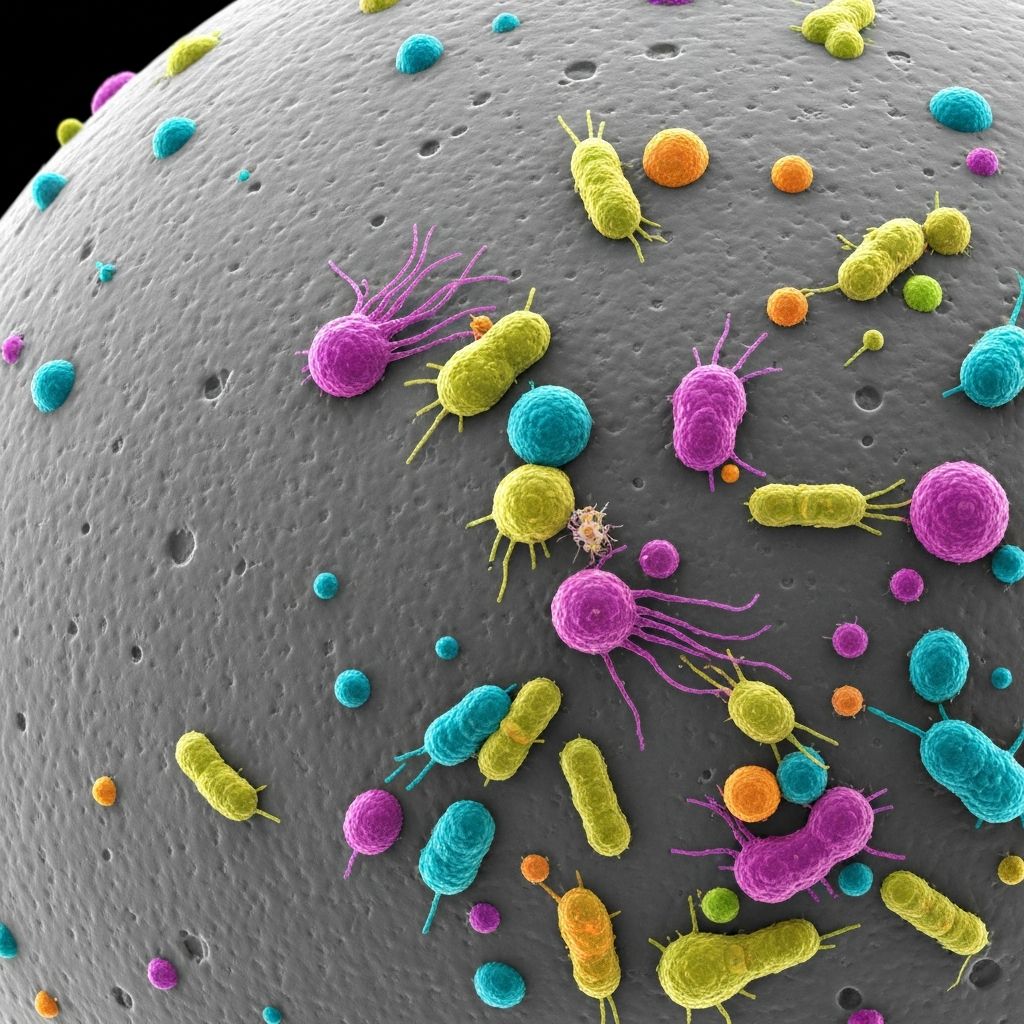
One of the primary reasons for egg recalls is contamination with Salmonella, a bacterium that can cause serious foodborne illness. Salmonella infections can lead to symptoms such as diarrhea, fever, and abdominal cramps, and in severe cases, hospitalization may be required. The bacteria can be present on both the inside and outside of eggs, making it a tricky contaminant to control. Contamination often occurs at the farm level, where unsanitary conditions or infected hens can lead to the spread of Salmonella. For example, in 2010, a massive egg recall involving over half a billion eggs was initiated due to a Salmonella outbreak linked to two Iowa farms. This incident underscores the importance of stringent hygiene practices and regular inspections to prevent contamination.
For further insights on this issue, the CDC provides updates on recent Salmonella outbreaks linked to eggs. For a deeper understanding of these risks, consult the FDA's comprehensive overview on Salmonella in eggs. To further explore the implications of these outbreaks, you can refer to the CIDRAP report on egg-linked Salmonella outbreaks.
Foreign Materials in Eggs: When Production Goes Wrong
Another factor contributing to egg recalls is the detection of foreign materials within the eggs. These materials can range from plastic and metal fragments to other unexpected substances that may have inadvertently entered the production line during processing. The presence of such materials poses a significant risk to consumers, potentially causing injury or illness if ingested. In 2019, a well-known egg producer recalled over 200,000 eggs after discovering pieces of plastic within the product. This type of recall highlights the need for rigorous quality control measures throughout the production and packaging process to ensure the safety and integrity of eggs.
Labeling Errors and Misrepresentation
In addition to contamination and foreign materials, egg recalls can also result from labeling errors. Accurate labeling is essential for consumers to make informed choices, particularly for those with allergies or dietary restrictions. Labels must correctly reflect the contents of the product, including any potential allergens or ingredients used in the production process. In some instances, eggs may be recalled if they are mislabeled, such as when eggs from free-range hens are incorrectly labeled as organic. This misrepresentation can mislead consumers and lead to unintended health risks. Ensuring that labeling practices are transparent and accurate is vital for maintaining consumer trust and safety.
Expiration Dates and Freshness Concerns
Moreover, recalls can occur due to issues related to the expiration date and freshness of eggs. Eggs that are sold past their expiration date or are not stored under the appropriate conditions can pose health risks to consumers. Consuming expired or improperly stored eggs increases the likelihood of foodborne illnesses. In 2018, a recall was issued for eggs that were found to be past their sell-by date, emphasizing the importance of proper inventory management and storage practices. For families, this serves as a reminder to always check expiration dates and store eggs in a cool, dry place to maintain their freshness and safety.

How the Egg Recall Process Works
The recall process itself is a complex but essential mechanism to protect public health. When a potential issue is identified, the producer works closely with food safety authorities to assess the risk and determine the appropriate course of action. This may involve recalling affected batches, notifying retailers and consumers, and conducting a thorough investigation to address the root cause of the problem. Transparency and communication are key during this process to ensure that consumers are informed and can take the necessary precautions. The 2010 Salmonella outbreak, for instance, led to widespread media coverage and public awareness campaigns to educate consumers on the risks and necessary actions to take.
Practical Safety Tips for Families
For health-conscious families, understanding the causes behind egg recalls empowers them to make informed decisions about their food choices. One practical step is to purchase eggs from reputable sources that prioritize safety and quality. Look for certifications such as USDA Organic or Certified Humane, which indicate adherence to higher standards of animal welfare and food safety. Additionally, consider supporting local farms where you can learn more about their production practices and ensure that they align with your values.
Safe Egg Handling and Preparation

When handling and preparing eggs, there are several measures families can take to minimize the risk of contamination. Always wash your hands before and after handling eggs, and ensure that all kitchen surfaces and utensils are clean. Cook eggs thoroughly to reduce the risk of Salmonella infection, as high temperatures can effectively kill the bacteria. For dishes that call for raw or lightly cooked eggs, such as homemade mayonnaise or Caesar dressing, opt for pasteurized eggs to mitigate the risk of foodborne illness.
Teaching Food Safety to Your Children
Lastly, it is important to foster a culture of food safety within your household. Educate your children about the importance of proper hygiene and food handling practices. Encourage them to participate in food preparation, providing them with age-appropriate tasks that teach them about safety and cleanliness. By instilling these habits early on, you empower your children to make safe and informed choices about their food in the future.
Empowering Your Family Through Knowledge
In conclusion, understanding the causes behind egg recalls is a vital step towards safeguarding your family's health and well-being. While the thought of contaminated or mislabeled eggs may be concerning, being informed and proactive can help you navigate these challenges with confidence. By purchasing eggs from reputable sources, practicing safe handling and cooking techniques, and staying informed about recalls, you can significantly reduce the risk of exposure to harmful contaminants.
Creating a food safety plan for your household doesn't need to be complicated. Start by designating a specific shelf in your refrigerator for eggs, ideally on an interior shelf where the temperature remains most consistent at 40°F or below. Keep a marker handy to date egg cartons when you bring them home, making it easier to use older eggs first. Additionally, consider maintaining a simple spreadsheet or using a smartphone app to track the brands and sources of eggs you purchase regularly. This practice proves invaluable during recalls, as you'll immediately know whether your household is affected.
Education extends beyond your own kitchen practices. Share what you've learned about egg safety with family members, especially teenagers and young adults who may be preparing meals independently for the first time. Teach children age-appropriate lessons about food safety, such as why we don't eat raw cookie dough or why cracked eggs should be discarded. These conversations create lasting habits that protect them throughout their lives.
Stay connected with reliable food safety resources such as the FDA's recall alerts, the USDA's Food Safety and Inspection Service updates, and your state's department of agriculture website. Many of these agencies offer free email or text notification services that deliver real-time alerts about food recalls directly to your phone. Taking two minutes to sign up for these services can provide peace of mind and ensure you're always among the first to know about potential risks.
Remember, knowledge is power, and equipping yourself with the right information will enable you to make choices that prioritize the health and safety of your loved ones. As we continue to learn more about food safety and the factors that contribute to recalls, we can work together to create a healthier and more informed community. Your vigilance today builds a foundation of protection that benefits not just your family, but contributes to broader consumer awareness that holds food producers accountable to the highest safety standards.